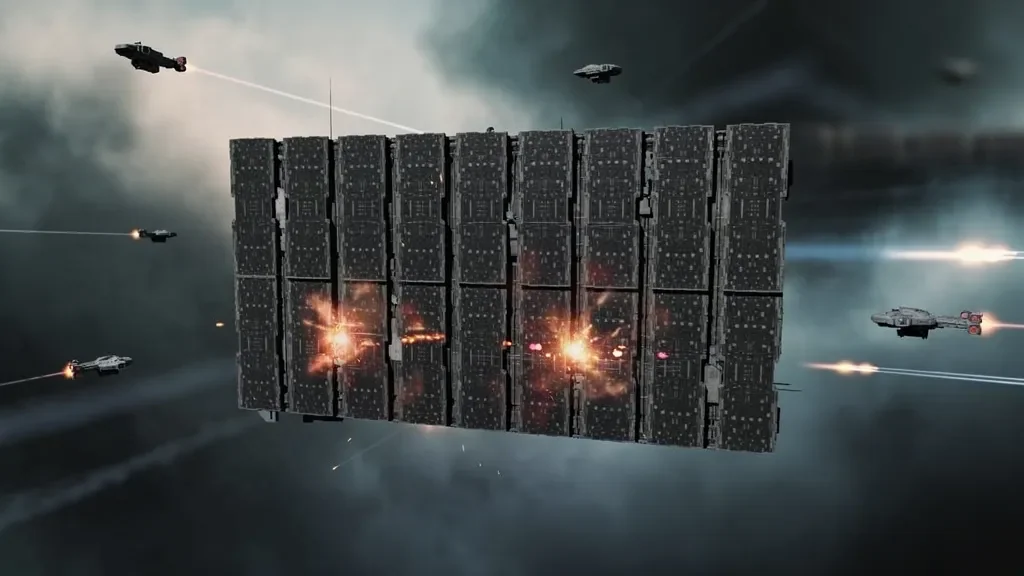
The Footprint Halved Before the Pressure Arrived
At the first observation, the campaign covered two systems, 9S-GPT and XJ-AG7, with XJ-AG7 the hotter of the pair. By the next reading only 9S-GPT remained in the tracked footprint. Nothing in the record shows sovereignty changing hands in Outer Passage; XJ-AG7 simply stopped appearing as a live contest. The practical effect was to squeeze the entire campaign into one system, which is a different kind of problem than a front that is merely wide.
Then the Balance Went in About an Hour
Across the first two observations the contest in 9S-GPT sat level, with the two sides locked in a contest that drifted in neither direction. The third reading, taken a little over an hour after the second, shows that balance gone. Attacker pressure has climbed hard and the defender's share of the contest has fallen away. On a broad front that would be one uncomfortable snapshot. With only one system still in play, it is the whole campaign.
Nothing Has Changed Hands, Which Is Its Own Story
Roughly two days in, one campaign, no systems lost and none gained. Pressure of this kind is not a capture, and the record shows a contest rather than a conquest. In a low intensity fight like this the interesting question is not whether the map is about to be redrawn. It is whether a single system can be kept from becoming the entire war, and whether the organisation defending it can absorb a jump in pressure without the front widening again.
A Narrow Front in a Wide Region
No other fronts appear alongside this one in the data, which suggests a concentrated operation aimed at a single point rather than a regional offensive spreading across Outer Passage. That kind of focus can be a sign of intent, or of the expense of holding ground somewhere else. Whether the surge in 9S-GPT is the high water mark or the start of something more sustained is not yet visible from what has been tracked. What Could Possibly Go Wr0ng will find out on the defender's side of the contest.